How ‘Make in India’ is Empowering Indian Startups to Innovate Locally
Explore how the initiative is fostering innovation within Indian startups, encouraging them to develop unique solutions tailored to local needs.
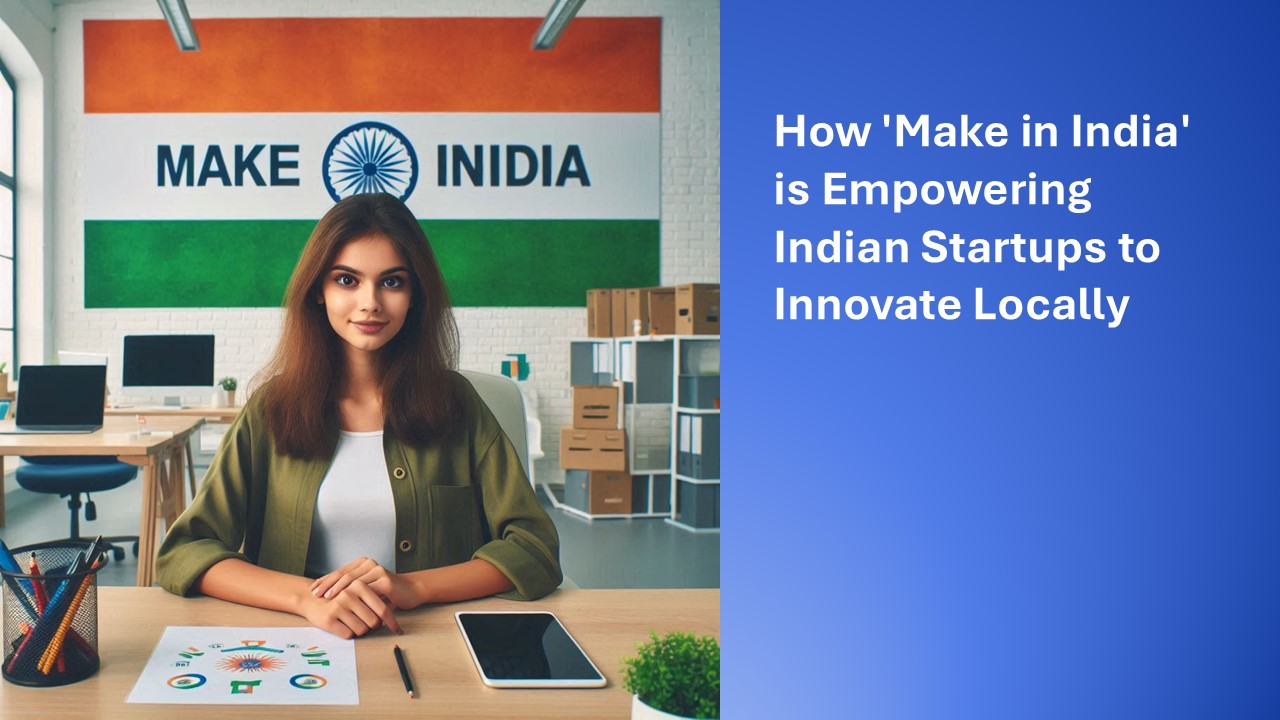
Launched in September 2014, the “Make in India” initiative has emerged as a cornerstone of India’s economic strategy, aimed at transforming the nation into a global manufacturing hub. While its primary focus has been on enhancing manufacturing capabilities, the initiative has also significantly influenced the startup ecosystem in India. By fostering a conducive environment for innovation, “Make in India” has encouraged startups to develop locally relevant solutions, thereby contributing to the nation’s broader economic goals. This essay explores how “Make in India” is empowering Indian startups to innovate locally, the challenges they face, and the unique opportunities that have arisen as a result.
Creating a Supportive Ecosystem for Startups
The “Make in India” initiative has been instrumental in creating a supportive ecosystem that encourages startups to innovate. The government’s emphasis on reducing regulatory bottlenecks, simplifying compliance processes, and improving the ease of doing business has provided startups with the necessary infrastructure to thrive. This ecosystem is further bolstered by various schemes and incentives such as Startup India, the Atal Innovation Mission, and tax exemptions for startups, all of which are aligned with the broader objectives of “Make in India.”
These initiatives have not only reduced the barriers to entry for new businesses but have also made it easier for startups to focus on innovation rather than being bogged down by administrative hurdles. The introduction of policies that promote intellectual property rights, R&D, and technology transfer has also played a crucial role in fostering a culture of innovation among Indian startups.
Fostering Innovation Tailored to Local Needs
One of the most significant impacts of “Make in India” on the startup ecosystem is its emphasis on developing solutions that are tailored to local needs. India, with its diverse population and unique challenges, presents a fertile ground for startups to create products and services that cater specifically to the Indian market. The initiative has encouraged startups to focus on sectors such as agriculture, healthcare, education, and renewable energy—areas that are critical to the nation’s development and where local innovation can have a transformative impact.
For instance, in the agriculture sector, startups are developing innovative solutions that address the specific challenges faced by Indian farmers, such as water scarcity, low productivity, and market access. Technologies like IoT-based smart farming, AI-driven crop monitoring, and blockchain-enabled supply chains are not only improving efficiency but also enhancing the livelihoods of farmers. Similarly, in the healthcare sector, startups are leveraging technology to provide affordable and accessible healthcare solutions to underserved populations, aligning with the goals of both “Make in India” and the broader national health agenda.
Leveraging Indigenous Resources and Talent
“Make in India” has also spurred innovation by encouraging startups to leverage indigenous resources and talent. By promoting local manufacturing and production, the initiative has reduced dependency on imports and encouraged the use of locally sourced materials and technologies. This not only supports the local economy but also drives innovation by encouraging startups to find creative solutions to the challenges posed by limited resources.
Moreover, the initiative has led to the development of a robust talent pool within the country. The focus on skill development and vocational training under the Skill India mission has equipped the workforce with the skills required to support the growing startup ecosystem. Startups, in turn, are capitalizing on this talent to innovate and create products that are not only cost-effective but also tailored to the unique demands of the Indian market.
Encouraging Collaboration and Partnerships
Collaboration is a key driver of innovation, and “Make in India” has fostered a culture of collaboration among startups, industry leaders, and research institutions. By promoting public-private partnerships and encouraging collaboration between startups and established companies, the initiative has created opportunities for knowledge sharing, technology transfer, and co-innovation. This collaborative approach has enabled startups to scale their innovations more quickly and efficiently, while also contributing to the broader goals of the “Make in India” campaign.
For example, partnerships between startups and large corporations in sectors like automotive, electronics, and defense have led to the development of cutting-edge technologies that are not only competitive on a global scale but also tailored to meet the specific needs of the Indian market. These collaborations have also facilitated access to global markets, helping Indian startups to expand their reach beyond domestic borders.
Overcoming Challenges and Looking Ahead
While “Make in India” has undoubtedly empowered startups to innovate locally, the journey has not been without its challenges. Startups continue to face issues such as limited access to funding, infrastructure bottlenecks, and the need for greater support in scaling innovations. However, the government’s ongoing efforts to address these challenges, combined with the resilience and creativity of Indian entrepreneurs, suggest a promising future for the startup ecosystem.
Looking ahead, the success of “Make in India” in empowering startups to innovate locally will depend on continued support from the government, industry stakeholders, and the startup community itself. By maintaining a focus on local innovation, fostering collaboration, and ensuring that startups have access to the resources they need, India can continue to build a dynamic and resilient startup ecosystem that contributes to the nation’s economic growth and global competitiveness.
The “Make in India” initiative has played a pivotal role in empowering Indian startups to innovate locally, driving the development of solutions that address the unique challenges and opportunities of the Indian market. By creating a supportive ecosystem, fostering collaboration, and encouraging the use of indigenous resources and talent, “Make in India” has not only spurred innovation but also positioned Indian startups to play a crucial role in the nation’s economic transformation. As the initiative continues to evolve, it will remain a key enabler of innovation and growth within the Indian startup ecosystem, helping to shape the future of the country’s economy.